The hard work of stabilizing the economy is beginning to pay off. Inflation has eased, productivity has strengthened, and cost pressures are receding across key sectors. The next and more consequential test is whether that progress translates into jobs. Small businesses, the engine of private-sector employment, are prepared to invest and hire, but only if capital becomes more accessible and affordable. The Federal Reserve’s next policy decision will determine whether this expansion reaches Main Street or stalls just short of it.
The labor market is sending a clear warning. Payroll growth averaged just 49,000 jobs per month in 2025, down sharply from 168,000 jobs per month in 2024. Private-sector hiring was among the weakest of any non-recessionary year in more than two decades. Subsequent revisions erased tens of thousands of previously reported jobs, revealing a labor market weaker than initially believed.
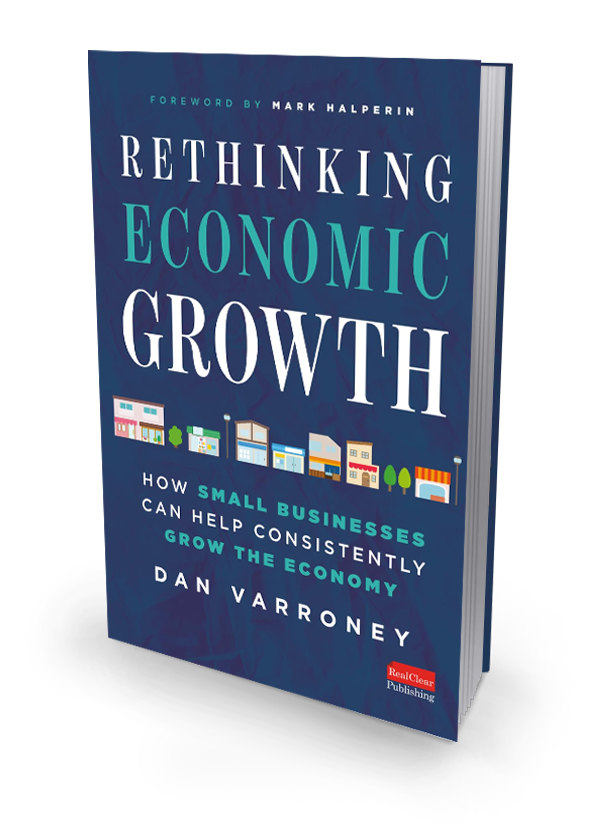
 For decades, America’s economic growth has been erratic, surging in some years, stagnating in others. Despite being the largest and most productive economy on Earth, we’ve consistently failed to sustain the 3% annual growth rate economists agree is essential to maintain prosperity, global leadership, and rising living standards. The United States can and must do better.