 Organizational Culture and Mission Drives 66% Growth. Associations and Societies are busy revisiting their strategic plans and business models. After all, new paths to member engagement and revenue growth are essential nowadays. While CEOs employ different approaches, one in particular applies culture as a growth accelerant. A.S.P.E.N., the American Society for Parenteral and Enteral Nutrition and it’s CEO Debra S. BenAvram leverage culture and their mission to operate a functional and thriving community ( http://bit.ly/1GWhVgL). A strategically engaged board combined with an energized and innovative staff are consistently hitting on the right cylinders.
Imagine a Different Future
A.S.P.E.N. works to insure that all patients receive high quality nutrition. They reinforce their vision by trumpeting the best evidence based practice for support to patients in need of specialized nourishment. Starting her career as the organization’s Director of Education, BenAvram developed leadership values and strategies that would best support the board’s goals and motivate a high performing team. Moving into the CEO role, she applied years of thought and study to develop a strategic plan and an “outside the box” staffing model.
Open Communication
As CEO, BenAvram wants “imagery around culture and values all of the time.” Unlike many organizational charts with tiered or complex structures, they employ a “staff circle model.” The approach looks to achieve excellence focused on high engagement and high quality performance.
Balanced Revenue
With a staff that has grown to 20, A.S.P.E.N has a healthy mix of revenue almost evenly divided across membership, their annual meeting, and peer review journals. Serving a diverse constituency of medical professionals ranging from Pediatric Surgeons to Endocrinologists, they utilize data and feedback to stay connected to their members and their mission.
Organizational Culture and Mission Drives 66% Growth
Regardless of debates on traditional and nontraditional management structures, one thing is clear: A business model minus silos can stimulate innovation and collaboration, mobilize board leaders, and energize staff performance to exceed expectations.
Staff leaders acknowledge that the second wave of innovation and growth is even more challenging to achieve. Undaunted, CEO BenAvram and her team are more confident because they already understand Peter Drucker’s axiom “culture eats strategy for breakfast.” Why? $2 million growth is a reflection of just how important culture is to engaging and satisfying members.
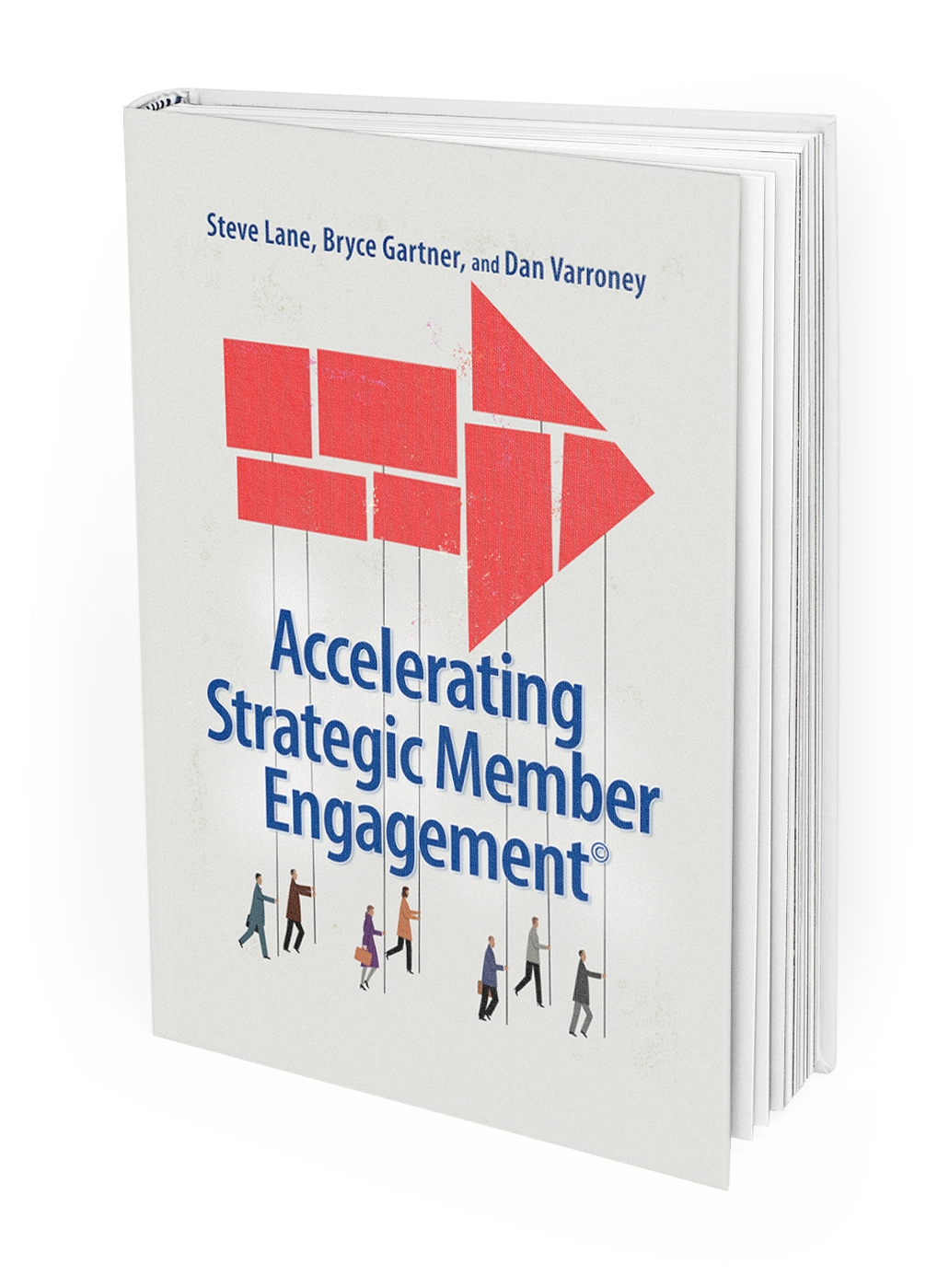
For a free copy of the “Accelerating Strategic Member Engagement” eBook, request your copy at www.potomaccore.com.